
Getting timely prior authorization for needed medical care continues to pose a problem for patients and providers.
Despite federal government action to address prior authorization concerns associated with health care programs it oversees – Medicare Advantage, Medicaid and CHIP fee-for-service and managed care plans, and Affordable Care Act Marketplace plans – and the insistence of some insurers that they have been addressing the issue, problems persist.
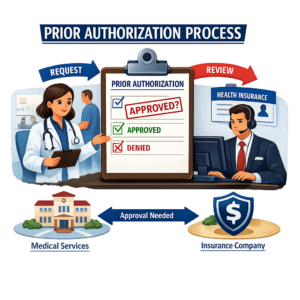 According to a recent analysis by KFF (quoted directly):
- Medicare Advantage insurers denied 12% of standard prior authorization requests, Medicaid managed care insurers denied 14%, and ACA Marketplace insurers denied 18%. Denial rates for expedited requests were slightly lower. However, the aggregated approval statistics do not allow for further analysis into which services are being denied.
- Prior authorization denials are rarely appealed, but when they are, a considerable share are overturned. Sixty-seven percent of prior authorization denials were overturned upon appeal in Medicare Advantage, 47% were overturned upon appeal in Medicaid managed care, and 43% were overturned in the ACA federally facilitated Marketplace.
- Median response times in all markets were about 1 day for standard prior authorization requests, and about half a day for expedited prior authorization requests for Medicare Advantage, and approximately 1 day for Medicaid managed care and the ACA Marketplace. Insurers are not required to report response time ranges or differences by service category.
Learn more about how KFF researchers reached these conclusions, about the high rate at which prior authorization rejections are overturned upon appeal, and the difficulties both patients and researchers face when trying to understand prior authorization practices and how they result in delays in care from the KFF report “Prior Authorization Metrics Provide New Insights into Insurer Practices, but Gaps Remain.”