
Don’t Miss:
- IRS proposes changes in rules governing ACA premium tax credits
- Lawsuit and legislation aim to block 340B Rebate Model Program
- CMS updates telehealth FAQ
The following is the latest health policy news from the federal government for October 9-15. Some of the language used below is taken directly from government documents.
Congress
Both chambers of Congress will reconvene after the mid-term elections on November 9. Upon their return, one of their priorities will be advancing a government funding package because the current continuing resolution (CR) expires on December 11.
Affordable Care Act Premium Tax Credits
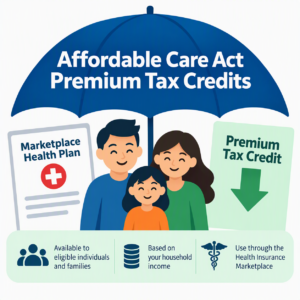 The IRS has issued a notice of proposed rulemaking that would amend regulations governing individual taxpayers’ eligibility for health insurance premium tax credits under the Affordable Care Act. The proposal seeks to bring access to those premium tax credits into line with changes adopted in the FY 2025 reconciliation law that introduced major changes in Medicaid eligibility, Affordable Care Act health insurance premium subsidies, and other aspects of federal health care policy. The proposed rule would establish stricter eligibility and enrollment requirements for health premium subsidies – including work/community engagement requirements, income criteria, and immigration status; introduce stricter eligibility verification practices; reduce access to premium tax credits for non-citizens; redefine what constitutes a “qualified health plan” for purposes of applying premium tax credits; and introduce other changes as well. Learn more about the proposed regulation from this Treasury Department news release and this formal IRS notice. The deadline for submitting written comments is November 30. A public hearing on this proposed regulation, to be conducted by telephone, has been scheduled for December 8 at 10:00 (eastern). Requests to speak and outlines of topics to be discussed at the public hearing must be submitted to the IRS by November 30. Requests to attend the public hearing must be received by 5:00 (eastern) on December 4; requests regarding the public hearing should be submitted by email to publichearings@irs.gov.
- CMS has eliminated Affordable Care Act subsidies for 189,000 people who either had duplicate Medicare, Medicaid, or Children’s Health Insurance Program (CHIP) coverage or are deceased. The agency did the same last year for 551,000 people. Learn more about the circumstances under which CMS has rescinded the subsidies from this HHS news release.
340B
 A group of hospitals and hospital associations has sued HHS and its Health Resources and Services Administration (HRSA) over the scheduled introduction of the 340B Rebate Model Program, which beginning on January 1 will replace discounts to qualified institutional providers under the 340B program with post-purchase rebates for 21 prescription medicines sold by 10 drug companies. The suit charges that the program will jeopardize the financial health of eligible 340B hospitals and impose onerous administrative costs on them. A federal court rejected HRSA’s first attempt to implement the program earlier this year. Learn more from the lawsuit filed to prevent implementation of the 340B Rebate Model Program.
Centers for Medicare & Medicaid Services (CMS)
- CMS has updated its Medicare telehealth FAQ. The updated FAQ addresses the eligibility of residents of non-rural areas for telehealth services; the types of practitioners that can serve patients via telehealth; providers working from home; how CMS pays certain providers; requirements for in-person visits; the delivery of audio-only services; and changes in Medicare telehealth policy that take effect in 2027. Learn more from CMS’s updated Medicare telehealth FAQ.
- HHS Secretary Kennedy has delegated to CMS the authority to exclude insurers, providers, and suppliers from federal health care programs. A notice published in the Federal Register explains that “As the agency directly responsible for administering Medicare and Medicaid, CMS is uniquely positioned to investigate, identify, and develop the evidentiary basis underpinning permissive exclusion determinations. Formalizing this delegation aligns investigative and enforcement responsibilities within a single operating division, reducing redundancy and improving program integrity outcomes.” Currently, only HHS’s Office of the Inspector General (OIG) has this authority, which it now will share with CMS. Learn more about CMS’s new authority from this formal notice.
- CMS has posted a reminder for providers to sign up for the new IDR Gateway, a centralized online platform for the management of the No Surprises Act’s Independent Dispute Resolution process. Learn more about the IDR Gateway and how to sign up to participate in it from this CMS notice.
- CMS has issued a report quantifying how states are spending federal grants allocated to them under the Rural Health Transformation Program. The reported anticipated spending, covering the period from December 29, 2025 through July 31, 2026, reflects states’ obligated funds to state agencies, contractors and vendors, community partners, hospitals and facilities, and others as of July 31. CMS intends to refresh the data quarterly in the future. Find the report here.
 CMS has released its Medicare Compare ratings for Medicare Advantage and Medicare prescription drug (Part D) plans for 2027. An accompanying fact sheet describes changes in CMS’s rating methodologies and presents data on the ratings distribution among plans, a comparison of ratings of non-profit and for-profit providers, average ratings for specific plan measures, and more. Learn more from this CMS fact sheet.
- CMS has sent a memo to state survey agencies with instructions for completing Exhibit 286, its Hospital/Critical Access Hospital (CAH)/Rural Emergency Hospital (REH) Database Worksheet. The worksheet is a tool CMS uses to gather detailed information about hospitals, critical access hospitals, and rural emergency hospitals participating in Medicare, with the data it collects used to update CMS’s survey and certification database. The purpose of the update is to streamline information collection by removing redundant or repetitive fields that are captured elsewhere by CMS and to add its applicability to rural emergency hospitals. Learn more from this memo from CMS to state survey agencies.
- CMS has issued guidance on the Medicaid home- and community-based services (HCBS) payment adequacy reporting requirement finalized in 2024, which it characterizes as “direct care worker compensation reporting.” The guidance summarizes policy clarifications provided in the 2024 final rule and addresses additional questions that have been raised by states, providers, and other interested parties. Find the CMS guidance here.
- CMS has published a bulletin outlining inpatient psychiatric facilities prospective payment system updates for FY 2027. Find that bulletin here. The changes it presents took effect on October 1.
- CMS has published a bulletin presenting its annual update of Healthcare Common Procedure Coding System (HCPCS) codes used for home health consolidated billing enforcement. Find the bulletin here. The changes it presents take effect on January 1.
- CMS has posted a bulletin presenting a new edit to prevent overpayment for long-term hospice stays. Find that bulletin here. The changes it presents take effect on April 1, 2026 and April 1, 2027.
Department of Health and Human Services (HHS)
 HHS has sent letters to leading medical organizations requesting that they state clearly whether they continue to support sex-rejecting procedures for minors and account for the evidence-base and HHS reports showing the harms these interventions inflict on minors in their guidance and position statements. The letters were sent to the World Professional Association for Transgender Health, the American Medical Association, American Psychiatric Association, American Psychological Association, Endocrine Society, and others. HHS is requesting a clear statement of the current position of these organizations on sex-rejecting procedures for minors, identification of any planned revisions to their respective guidance, and a timeline for those changes. HHS expects a written response within 10 business days. Learn more about HHS’s action and find links to the letters in this HHS news release.
- HHS has launched the Newborn Essentials Support Toolkit (NEST) program at a West Virginia children’s hospital, marking the next phase of a federal initiative designed to support mothers and babies during the first days and weeks after birth. The program will provide families with a one-time kit of essential newborn and postpartum supplies, maternal health items, and information and resources around the time of birth. NEST started as a pilot program in 2023, reaching 30,000 kits across 15 states, and as it expands, NEST toolkits will be distributed through hospitals, federally qualified health centers, and other organizations providing maternity care to mothers late in pregnancy or around the time of birth. The rollout will emphasize serving rural communities, maternal care deserts, and medically underserved areas. Learn more about NEST from this HHS news release.
- HHS has declared a public health emergency in Florida and Alabama following Hurricane Isaias. This declaration gives health care providers and suppliers greater flexibility to meet the emergency health needs of Medicare and Medicaid beneficiaries in the affected areas. Learn more about those flexibilities from these news releases issued by HHS’s Administration for Strategic Preparedness and Response (ASPR):
- “Determination that a Public Health Emergency Exists as a Result of the Continued Consequences of Hurricane Isaias on the States of Florida and Alabama” – October 13
- “Waiver or Modification of Requirements Under Section 1135 of the Social Security Act Exists as a Result of the Consequences of Hurricane Isaias in the States of Florida and Alabama” – October 13
- “HHS Declares Public Health Emergencies for Florida, Alabama following Hurricane Isaias” – October 14
- HHS and its Administration for Community Living (ACL) have awarded more than $27 million over three years for three falls prevention initiatives that will seek to expand proven programs, strengthen connections between health care providers and community organizations, and help states and local partners reach more older adults before a fall leads to injury or loss of independence. Learn more about the three initiatives and the funding recipients in this HHS news release.
HHS/Health Resources and Services Administration (HRSA)
 HRSA is asking OMB for permission to revise the information it collects from organizations that apply for HRSA award funding through the Grants.gov web site. This collection is limited to organizational identifiers and will only collect a National Provider Identifier (NPI) and/or CMS Certification Number (CCN) from organizations that already have one. An organization is not required to have, or to obtain, an NPI or CCN to apply for or receive HRSA funding, and individual applicants (persons) are not asked to provide an individual (Type 1) NPI. The purpose of the proposed revisions is to strengthen the evidence HRSA uses to understand how it meets its mission of improving health outcomes through access to quality services, a skilled health workforce, and innovative, high-value programs. Learn more about the data involved, how HRSA uses it, and the changes it seeks from this formal notice. The deadline for submitting comments is November 9.
- HRSA and its Organ Procurement and Transplantation Network (OPTN) have asked OMB for permission to revise OPTN’s data collection instrument “Data System for Organ Procurement and Transplantation Network.” OPTN seeks to revise the current approved data collection involving time-sensitive, life-critical information related to transplant candidates; potential organ donors, organ matching, and allocation; histocompatibility testing; organ labeling and packaging; and pre- and post-transplant clinical information for transplant recipients and donors. Learn more about the changes OPTN seeks, which were originally published in May of this year, from this HRSA notice. The deadline for submitting comments is November 9.
- HRSA has awarded $12.7 million through its Maternal Produce Prescription Program to help pregnant and postpartum women and their families in low-income and medically underserved communities obtain healthy foods. The program also seeks to strengthen partnerships among health care providers, community-based organizations, and local food systems and increase fruit and vegetable consumption, improve household food security, and improve maternal and birth outcomes. Learn more about the program and find a link to a list of grant recipients in this HRSA news release.
- HHS and HRSA have launched the HHS Health Center Healthy Lifestyle Commitment, a voluntary initiative that encourages health centers to put nutrition, prevention, and healthy living at the center of patient care. Through this program, HRSA-supported health centers will be encouraged to advance evidence-based best practices that support prioritizing prevention and healthy lifestyles, promoting healthy eating, empowering patients and families, connecting patients to community health activities, strengthening the prevention workforce, and building a culture of health. Learn more about the initiative from this HHS news release.
Rural Health Transformation Program Funding
 In the past week CMS announced that it has awarded Rural Health Transformation Program money to the following states:
- Delaware, $1 million to support early career physicians who choose to work in rural parts of the state
- Iowa, $209 million to expand advanced medical care, maternal telehealth, and cancer prevention in rural areas
- Nebraska, $177 million to recruit rural health care workers, expand mobile care, and modernize services
- Louisiana, $37.7 million to train and recruit more rural health care workers
- Missouri, $2.3 million to support rural health care workers and expand maternal care
- Texas, $78 million for rural health care workforce, chronic disease prevention, and facility upgrades across the state
Medicaid State Plan Amendments
CMS has approved state plan amendments for Medicaid and CHIP programs for the following states:
- Florida, updating FHCQHC and Rural Health Clinic reimbursement rates
- Florida, updating County Health Department reimbursement
- Louisiana, removing a past policy sunset date to bring the state plan into compliance with the Consolidated Appropriation Act of 2023
- Nevada, introducing a bundled rate for a new service: Assertive Community Treatment to assist individuals with serious mental illness and/or serious mental illness with co-occurring disorders
Health Policy Newsletters, Reports, and Videos
 CMS – MLN Connects – October 15
- CMS – SNF FY 2026 PEPPER webinar – video of a September 29 CMS webinar
- CMS/Center for Medicare and Medicaid Innovation – Ambulatory Specialty Model Participant Office Hour held on September 30, 2026 – video posted October 10
- HHS/Office of the Inspector General (OIG) – “This Week at OIG” – October 9
- HHS/Office of the National Coordinator for Health Information Technology (ONC) – “Availability of Real-Time Prescription Benefit Information Among U.S. Hospitals” – September
- CDC Morbidity and Mortality Weekly Report (MMWR)
- “Prevalence of Frequent Mental Distress and Physical Inactivity Among Adults Aged 18-29 Years – United States, 2012-2024” – October 8
- “Overview and Methods for the Youth Risk Behavior Surveillance System – United States, 2025” – October 15
- “Dietary and Physical Activity Behaviors Among High School Students – Youth Risk Behavior Survey, United States, 2025” – October 15
- “Cardiovascular Health Among High School Students – Youth Risk Behavior Survey, United States, 2025” – October 15
- Congressional Research Service – “Disabled Adult Child (DAC) Passalong of Medicaid Coverage” – October 9 report
Food and Drug Administration (FDA)
 The FDA has announced the “Rare Disease Framework Initiative” to reimagine the development of drugs and biologics for rare diseases. The initiative will develop an optimized, fit-for-purpose framework that reflects the realities of rare disease drug development by considering the nuances of each disease, patient needs, product type, and evidence that can realistically be generated in small patient populations. Learn more about the initiative and find a link to a white paper explaining the program in this FDA news release. In addition, the FDA will hold a hearing about the program on Wednesday, October 28 at 1:00 (eastern) and invites written and electronic comments; the deadline for submitting comments is December 11. Learn more about the hearing and submitting comments from this FDA notice.
- The FDA seeks nominations for two voting member vacancies on its Tobacco Products Scientific Advisory Committee. Physicians, dentists, scientists, and health care professionals practicing in the areas of oncology, pulmonology, cardiology, toxicology, pharmacology, addiction, engineering, and other relevant specialties are encouraged to apply. Nominations received on or before December 14 will be given first consideration while nominations received after December 14 will be considered as later vacancies arise. For more information, see the Federal Register notice here.
National Institutes of Health (NIH)
The NIH has issued a notice seeking public comment on its proposal to establish an Office of the NIH Chief Artificial Intelligence Office within its Division of Program Coordination, Planning, and Strategic Initiatives. The deadline for submitting comments is October 28. Learn more about the NIH proposal from this notice.
Medicare Payment Advisory Commission (MedPAC)
 MedPAC’s commissioners met last week in Washington, D.C. The issues on the agenda were:
- issues affecting the payment accuracy of the physician fee schedule and the clinical laboratory fee schedule
- clinician quality initiatives in fee-for-service Medicare
- Medicare’s late-enrollment penalties
- workplan: assessing the accuracy of the skilled nursing facility and home health prospective payment systems
Go here for a summary of each of these issues, key points, future action items, and links to staff presentations and to find a transcript of the two-day session.
Congressional Budget Office (CBO)
As requested by the House Ways and Means Committee, the CBO has prepared an analysis of the potential cost to the federal government of H.R. 9642, the Medicare Access to Rural Anesthesiology Act. Find the CBO analysis here.
Department of Veterans Affairs (VA)
The VA has approved $2.681 billion in VA infrastructure improvement projects in the fourth quarter of fiscal year 2026. The money will be used by VA medical facilities for maintenance, replacements, and upgrades needed to maintain and improve operational capability and health care delivery. Learn more from this VA news release.
 Justice Department (DOJ)
- An Oklahoma business owner and chiropractor was sentenced yesterday to 14 years in prison for his role in a years-long scheme that attempted to bilk Medicare, TRICARE, and the VA’s Civilian Health and Medical Program out of more than $30 million for orthotics braces, continuous glucose monitors, and other durable medical equipment that beneficiaries did not want or need. Learn more about this case and the work of DOJ’s Health Care Fraud Strike Force Program in this DOJ news release.
- A major pharmacy chain has agreed to pay $315 million to resolve allegations that for a dozen years it illegally filled prescriptions for opioids and other controlled substances in violation of the Controlled Substances Act and then sought payment for many of those invalid prescriptions from Medicare and other federal health care programs in violation of the False Claims Act. Learn more from this DOJ news release.
Stakeholder Events
HHS/ASPE Health Economics and Policy Forum – October 20
HHS’s Office of the Assistant Secretary for Planning and Evaluation (ASPE) will host a Health Economics and Policy Forum to discuss new research on the provider tax provisions in the FY 2025 budget reconciliation bill that introduced major changes in various federal health care policies on October 20 at 10:00 (eastern). Learn more by going here.
MACPAC – Commissioners Meeting – October 29-30
MACPAC’s commissioners will hold their next public meeting on Thursday, October 29 and Friday, October 30. Go here to register to participate.
MedPAC – Commissioners Meeting – November 5-6
MedPAC’s commissioners will hold their next public meeting virtually on Thursday, November 5 and Friday, November 6. An agenda for the meeting and information about how to participate have not yet been posted; when they are, they will be found here.
CMS – Healthcare Common Procedure Coding System (HCPCS) Level II Public Meeting – November 11-12
CMS will hold its second biannual Healthcare Common Procedure Coding System (HCPCS) Level II public meeting of 2026 on Monday, November 2 and Tuesday, November 3 (if necessary) to discuss the CMS preliminary coding, Medicare benefit category, and Medicare payment determinations, if applicable, for new revisions to the HCPCS Level II code set for non-drug and non-biological items and services. Find the meeting’s agenda and learn more about how to speak at the conference, submit comments, and register to participate either virtually or in person in this CMS announcement.
CMS – 2026 CMS National Provider Enrollment Conference – November 18-19
CMS will hold a national provider enrollment conference on Wednesday, November 18 and Thursday, November 19 in Kissimmee, Florida. The event will provide direct access to the staff responsible for shaping and administering Medicare provider enrollment. Through keynote presentations, panel discussions, interactive Q&A sessions, and expert-led training, participants will gain insight into enrollment policy, program integrity initiatives, compliance requirements, operationally friendly best practices, and upcoming changes affecting the Medicare provider enrollment landscape. Learn more from this CMS conference notice.
HHS/Office of the Assistant Secretary for Planning and Evaluation – Physician-Focused Payment Model Technical Advisory Committee Meeting – December 8-9
HHS’s Physician-Focused Payment Model Technical Advisory Committee (PTAC) will hold a public meeting on Tuesday, December 8 and Wednesday, December 9 at 9:00 (eastern). An agenda has not yet been posted. Go here to learn more about the meeting and how to participate in person or virtually.